The Evolving Priorities of Modern Cities
Urban design has always reflected the values and needs of the societies that build them. Today, cities face new pressures that require thoughtful planning and creative solutions. Population growth, environmental concerns, and shifting cultural expectations all influence how urban spaces are shaped. Designers must consider how people move, interact, and experience their surroundings. This requires a balance between practical infrastructure and visually appealing environments. As cities evolve, the demand for spaces that feel both functional and inspiring continues to grow.
Integrating Sustainability Into Urban Planning
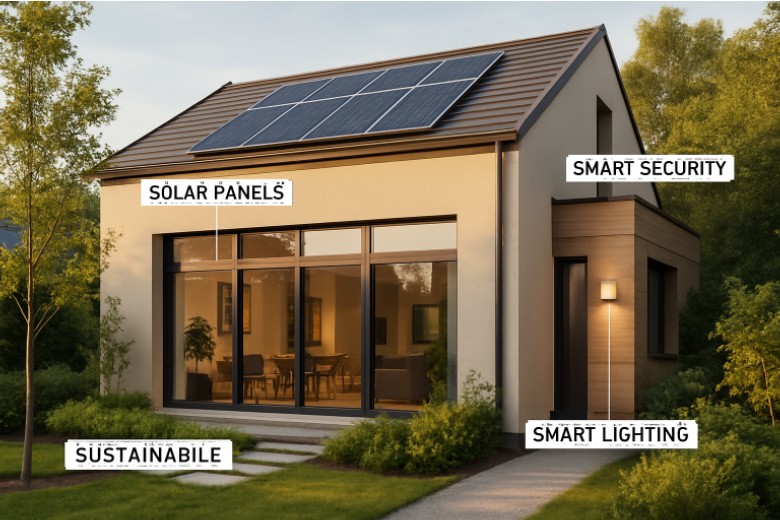
Sustainability has become a central focus on modern urban design. Planners are increasingly prioritizing green spaces, renewable materials, and energy efficient systems. These elements help reduce environmental impact while improving quality of life for residents. Green roofs, permeable pavements, and natural ventilation strategies are becoming more common in new developments. Designers also consider how buildings and public spaces can adapt to changing climates. This shift toward sustainability reflects a broader cultural movement toward environmental responsibility.
Technology’s Influence on Urban Environments
Advancements in technology are transforming how cities operate and how people interact with their surroundings. Smart infrastructure allows for real time data collection that can improve traffic flow, energy use, and public safety. Digital tools also help designers visualize and test ideas before construction begins. These innovations create opportunities for more efficient and responsive urban environments. As technology continues to evolve, cities will become increasingly interconnected and adaptable. This integration of digital tools enhances both function and aesthetics in urban design.
The Importance of Community Centered Design
Urban spaces are most successful when they reflect the needs and identities of the communities they serve. Designers are placing greater emphasis on public input and collaborative planning. This approach ensures that spaces feel welcoming, inclusive, and culturally relevant. Community centered design also helps build stronger social connections by creating environments where people feel comfortable gathering and interacting. When residents feel a sense of ownership, they are more likely to care for and engage with their surroundings. This focus on community strengthens the long term success of urban projects, especially when guided by professional architecture firms in Aspen.
Blending Beauty and Practicality
Aesthetics play a powerful role in shaping how people experience urban spaces. Beautiful environments can inspire creativity, reduce stress, and enhance overall well being. However, aesthetics must be balanced with practical considerations such as accessibility, safety, and durability. Designers strive to create spaces that are visually appealing without compromising functionality. This balance requires thoughtful material selection, strategic layout planning, and attention to detail. When beauty and practicality work together, cities become more vibrant and enjoyable places to live.
Conclusion
The future of urban design lies in the thoughtful integration of function, aesthetics, sustainability, and community needs. As cities continue to grow and evolve, designers will play a crucial role in shaping environments that support both practical living and meaningful experiences. By embracing innovation and prioritizing people, urban spaces can become more resilient, inspiring, and connected.